Posts

Debbie, prioritizing action based on data

I had the pleasure of discussion with two senior team members at an Aged Care service yesterday about the desire for multiple change. Their change program had been making good progress but then stalled. The halt seemed to relate to the belief that all education had to happen, classroom style before a change could be commenced. 

Instead of applying a vast amount of theory, waiting to confirm it was all understood, I suggested looking at the data. Aged Care lack the luxury of time to fully educate while clinical risk is waiting to be addressed, growing by the day.

When looking at data, where is your highest risk? Is it falls? Is it unintentional weight loss? Is it dehydration? Is it behaviors of concern? Is it pressure injuries? With so many options for action, tracking and visibility via live dashboards will help drive meaningful action and support prioritizing highest risk first.

Targeted education on 2 or 3 things at most supports progress being achieved quickly. One suggestion is educate as you go. Keep viewing the related data to determine success of actions. Study, act, review is a shortened version of the well known quality repeating cycle of Plan, do, check, act..

If we work on 50 things that all need improvement simultaneously, the chance of progress and rapid risk mitigation is diluted.

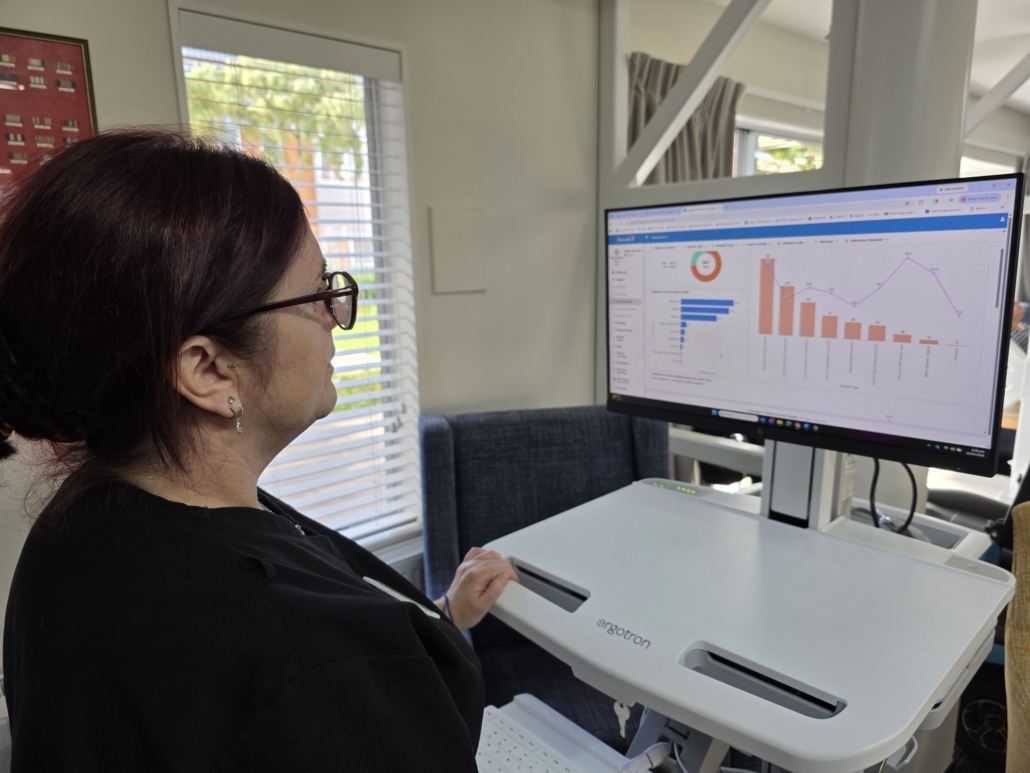
Debbie, the Facility Manager from another site knows this. At Aldwins House, Promisia Group, they are making great use of the Hercules Health LIVE time dashboards to closely monitor clinical data to drive excellence in care.

With around 660 aged care services in New Zealand, every site operates differently but one thing remains true, when they use data to inform care, they reduce risk and improve health outcomes for their residents. Hercules Health dashboards are bespoke to reflect each site and their particular needs.

#agedcare #dha #digitalhealth

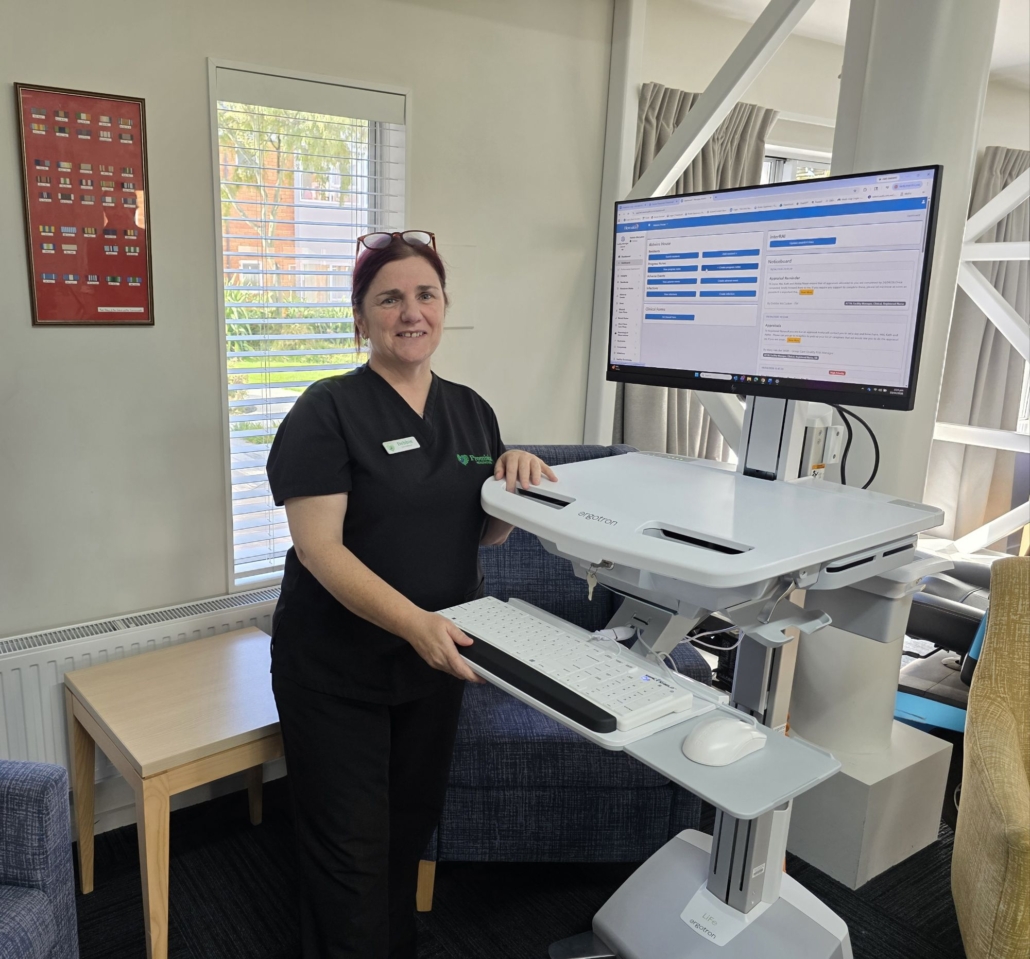
It was our pleasure to work with Robin Burgess, representing Ergotron NZ and Australia, to be able to make this deluxe trolley available as a hat draw prize.  Debbie the Facility Manager at Aldwins House in Christchurch said it’s put a smile on the face of their doctor as she is now able to use it for her rounds, updating notes in Hercules Health.

Debbie is also now able to view live status dashboards through Hercules Health on the move. Data visibility in live time  for all key aspects of the service, means she and her team are able to view these for alerts and care prompts whether in a meeting room, or in discussion with residents and their family members for care plan review meetings.

Thanks again to Ergotron for partnering with us to make this possible.

It’s very easy to stick with the tried and true, those things we’ve done for so long we’re comfortable with them so we keep on keeping on.

My keyboard with the letters worn off the keys is a good reminder that while I touch type and don’t need to see the letters, if someone else had to step into my role and office space, this might not help their productivity.

If we want everything to continue operating at optimal pace with no interruption to service, it’s always good to make sure our tools work for everyone. It’s also imperative there are succession plans so no function within the business is reliant on one person.

Keeping knowledge in your head doesn’t help others and is more likely to reflect a closed mindset rather than an open one.  The world of health tech is moving very quickly which doesn’t request, it requires people to collaborate and progress to continuously better ways of doing things with the latest tools available.

When balancing the clinical needs, requests and preferences of each resident in-conjunction with their right to choose, a number of factors need to be taken into consideration.  We all recognise that theory and practice can change over time so when I asked Liz Beaglehole (Registered Dietitian) her professional view on this topic is, she offered the following:

The recommendation for older adults with diabetes in aged care facilities with stable diabetes is to provide an unrestrictive diet as much as possible. The notion of a ‘diabetic diet’ is outdated due to the increased risk of hypos and unwanted weight loss.

This is very individual however, a frail 80 year old woman with diabetes will likely have no diet restrictions however an obese 70 year old who may be otherwise stable would benefit from a more restrictive diet.  Advice from a dietitian for individuals is recommended.

Overall, guidance from the resident about their wants is probably what determines the diet provided. This may be in accordance with recommendations or not.

Generally, the medications should be fitted to the usual eating pattern of the resident.  In aged care facilities there are regular meals and generally balanced carbohydrates over the main meals (assuming good food intake) so usually this is fine.  If someone has a reduced food intake, and is on insulin then a unrestrictive diet would be best.

For my menu planning I tend not to plan any special diabetic options on the cycle menus.  I may include a low fat / low sugar dessert option if sites request, but generally my philosophy for aged care is not to restrict foods!

Liz is involved with a PEN (practiced based evidence in nutrition) review of the question ‘Do institutionalized, older adults (65 years of age or older) who closely follow a diet prescription have better control of their chronic disease (e.g. diabetes) than those who do not?‘ This is due by the end of March so further practice updates from this review may be available then.  Liz noted that generally the evidence suggests there are no benefits with a prescriptive diet vs a more liberal one.

This article was kindly contributed by Liz Beaglehole NZRD (Canterbury Dietitians).

April 12th and 13th, 2018 – Christchurch

Presenters: 

Gillian Robinson – Bachelor of Nursing, Registered Nurse, Lead Auditor, Management Consultant, Author
Liz Beaglehole – New Zealand Registered Dietitian, with a Post-graduate Diploma in Dietetics (with distinction), Canterbury Dietitians.
Ben HarrisMedical Laboratory Scientist, Honorary Lecturer for the University of Otago

Incorporating clinical and management topics, these study days are designed to provide the opportunity to learn together and gain a greater understanding of each others roles and aged care industry expectations. Gain your professional development hours by joining your colleagues for two fun days of learning.

Topics include:

Day One – Thursday 12th April – 9.00am to 4.30pm

  • Age-related Residential Care (ARRC) – understanding the DHB funding service specifications
  • Quality and Risk Management – striving and achieving excellence
  • Clinical Leadership – how to lead the clinical team effectively
  • Clinical Documentation – What, when, how and why to document
  • Clinical Assessment and Care Planning – bringing it all together for better resident outcomes
  • Microbiome – why understanding this is so important
  • Multi-Drug Resistant Organisms (MDROs) – the current and pending impact

Day two – Friday 13th April (9.00am start, finish approximately 1.00pm) 

  • Urinary Tract Infections – to dip or not?!
  • Norovirus and Influenza – latest updates
  • Food Safety – Food Safety and Nutrition
  • Question and Answer session

Attendees will supply their own lunch.  Morning and afternoon tea will be provided.

Venue: Chapel Street Centre, Cnr Harewood Road and Chapel Street, Papanui, Christchurch.   (Easy access from the airport)

Numbers will be limited so register today.

To register – email gill@agedcarecompliance.com and supply the names and designations of each staff member attending, and confirmation if they will be attending day one or day two or both days?

The attendance fee for this content filled education is $155 (plus GST per attendee to cover both days), $85.00 plus GST per attendee to cover either day one or day  two.

We will respond with confirmation of registrations. Certificates of attendance will be provided.