Posts

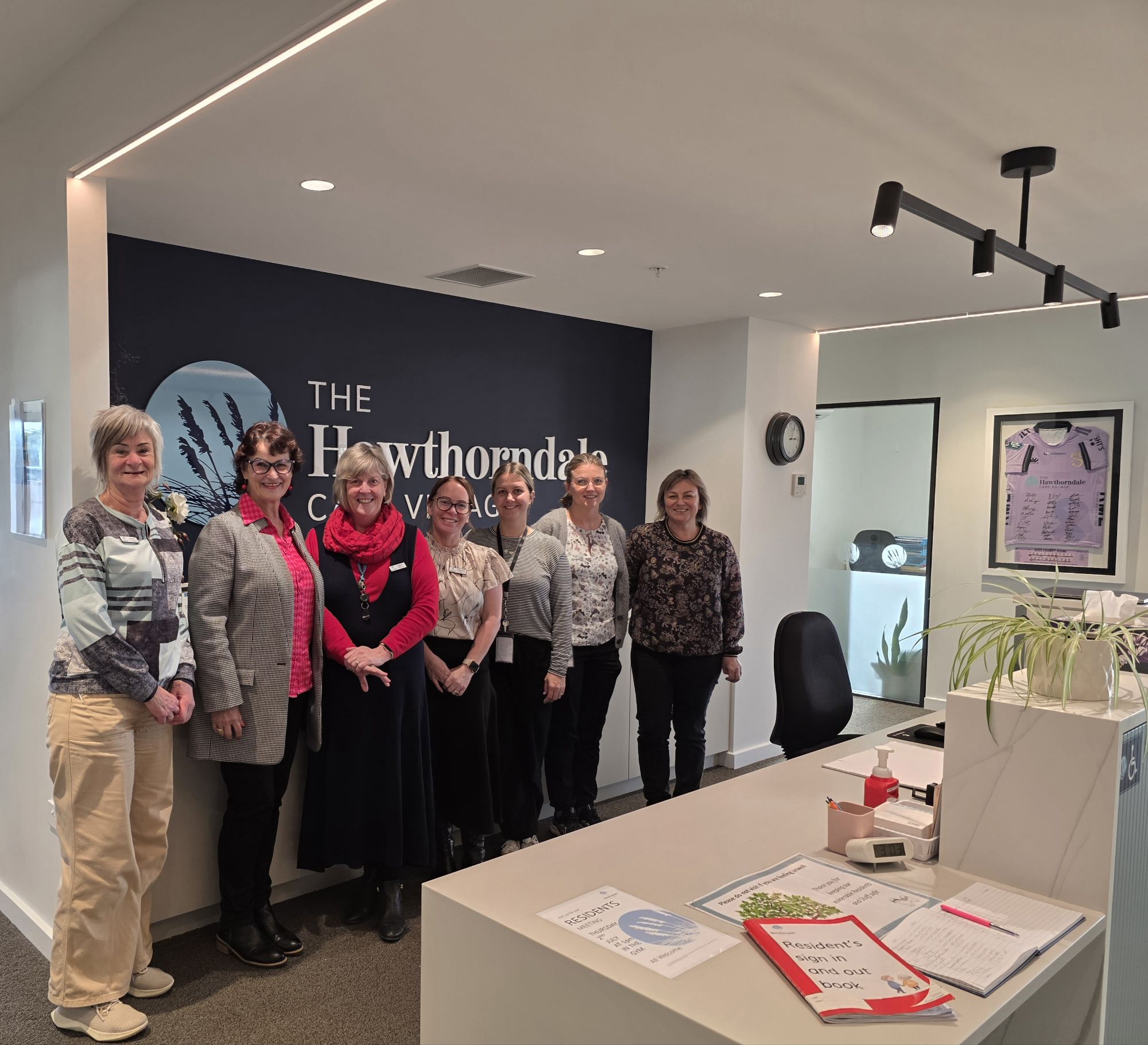
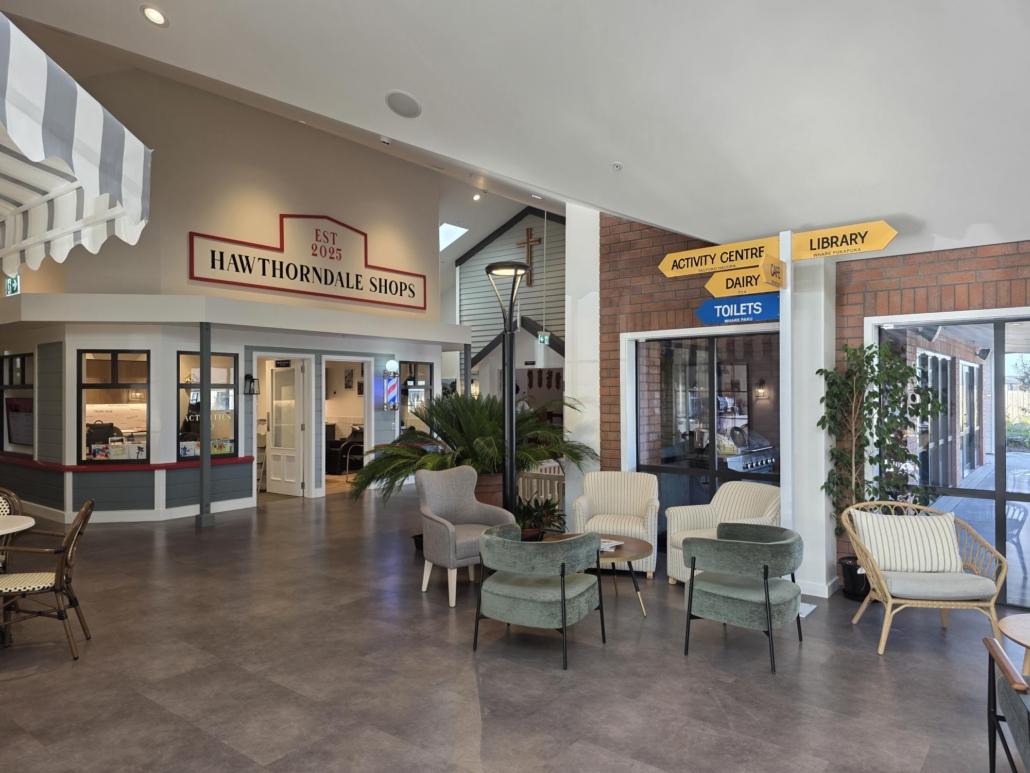
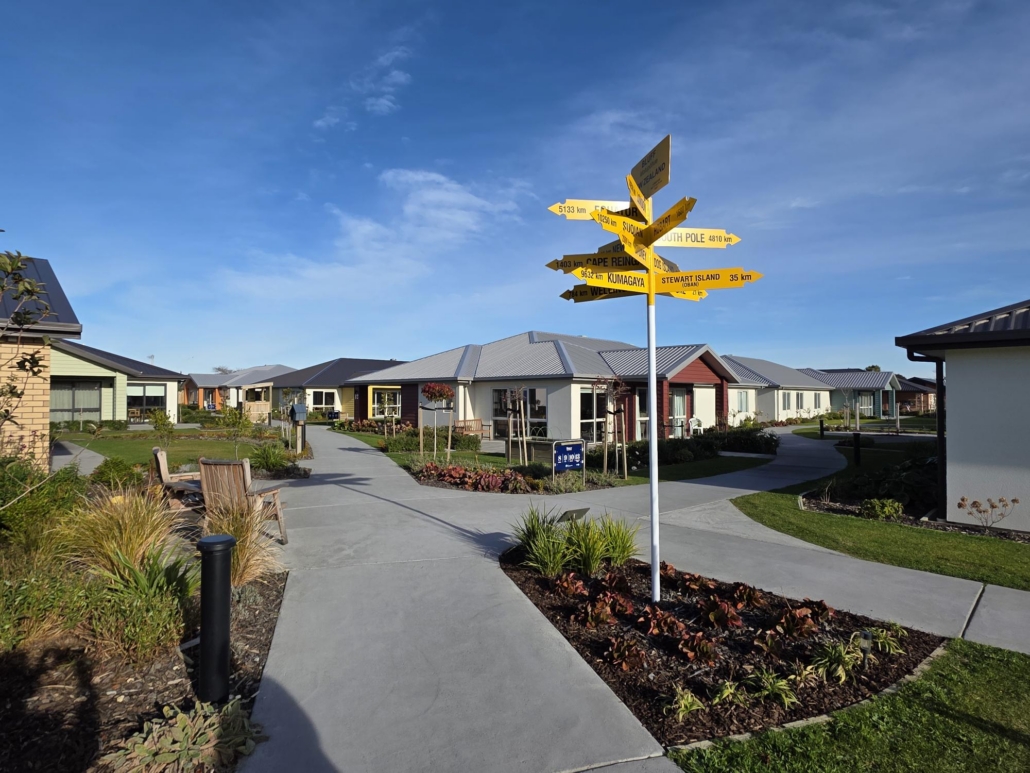
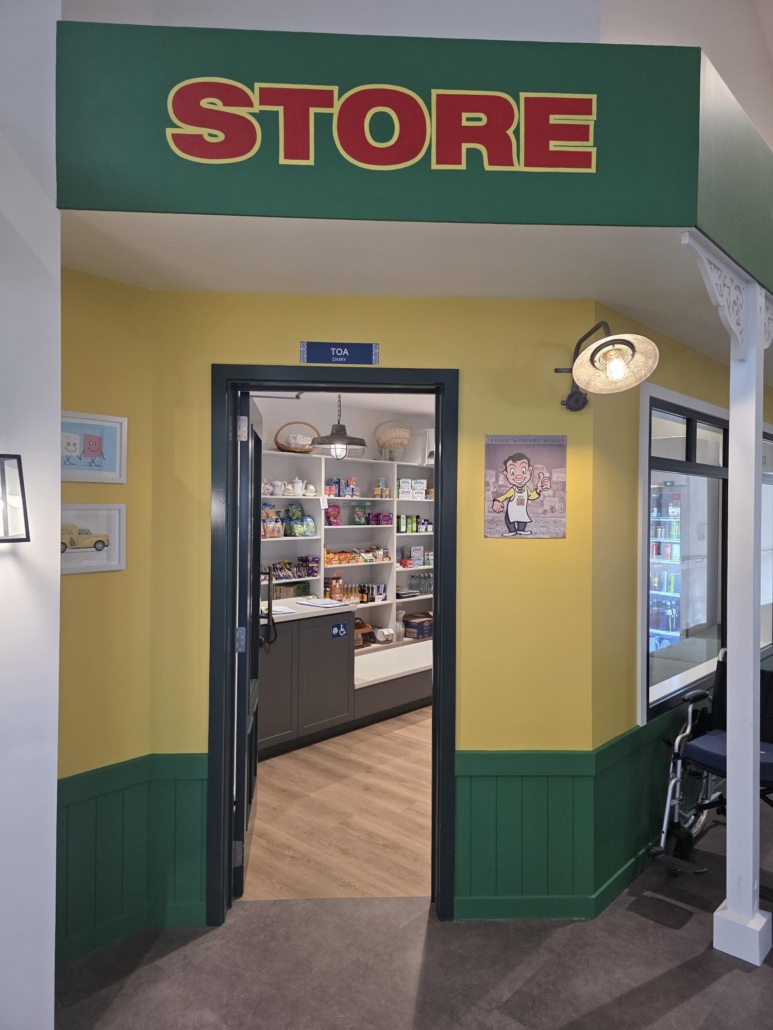
My recent visit to several Hercules Health clients in the lower South Island included a tour of The Hawthorndale Care Village. This site represents a shift from traditional aged care services that have not changed much in over 30 years. This new model focuses on person-centered, normalized living. By aligning with community norms, residents can thrive in an environment that feels familiar.

The Hawthorndale Care Village is a groundbreaking approach to dementia care in New Zealand and is the second facility using this model. The Rotorua Care Village was the first aged care service in New Zealand to adopt this concept, where residents live in smaller individual homes. This model provides freedom and choice for residents with dementia who previously required a ‘secure’ service, which often restricted their personal space.

Inspired by the innovative Dutch care village, De Hogeweyk, we aim to create dementia care that honours each person, supporting them with compassion, dignity and respect by recreating the familiarity and rhythm of everyday life within a safe and secure setting. This mixed model of care (different levels of care within one home) including those with advancing dementia, is an interesting concept for New Zealand aged residential care and I’m interested to see how well this works over time.

Inspired by the innovative Dutch care village, De Hogeweyk, we aim to create dementia care that honours each person, supporting them with compassion, dignity and respect by recreating the familiarity and rhythm of everyday life within a safe and secure setting. This mixed model of care (different levels of care within one home), including those with advancing dementia, is an interesting concept for New Zealand aged residential care and I’m interested to see how well this works over time.

The needs of aged care for tomorrow and the days after, will not be met by doing what was done yesterday and the days prior! I applaud the teams at The Care Village in Rotorua, and The Hawthorndale Care Village in Invercargill for having the vision and commitment to try something differently.

Nurse reviewing policies on a tablet

Historically there were negative views of the Aged Residential care setting but these have changed, and aged care has changed! Aged Care is Health Care!

Nursing is Aged Care is complex and the ongoing relationship with those needing clinical support is rewarding. This is especially true when compared with the episodic brief interactions that occurs in acute services.

Working in aged residential care in New Zealand offers registered nurses a rewarding career pathway and meaningful career choice. This environment provides the opportunity to make a real difference in the lives of older adults, delivering compassionate, person-centered care that enhances quality of life. For nurses, it’s a chance to develop high level clinical skills, build strong trusting relationships with residents, fostering a sense of community and belonging.

Aged care settings also offer diverse clinical experiences, from managing multiple co-morbidities. This includes the clinical oversight and management of chronic conditions through to supporting palliative care, and ensuring nurses develop their skills while leading care teams. The sector relies on teamwork and collaboration, creating a positive work atmosphere where nurses feel valued and empowered. Additionally, New Zealand’s aged care sector is committed to ongoing professional development, ensuring nurses stay current with best practices while using leading industry technology.

Work-life balance can be better in aged care compared to high-pressure hospital settings, with more predictable hours and a focus on holistic well-being. The sector also offers opportunities for leadership and specialization, making it an attractive career path. Overall, working in aged residential care combines professional growth with the fulfilment of caring for some of society’s most vulnerable members. This makes it an appealing environment for registered nurses seeking purpose, work satisfaction through ongoing therapeutic relationships and stability.

One of the areas of administration ripe for review and development is the role of Privacy Officer / Privacy Co-ordinator. The privacy monitoring needs to include data privacy (storage, access etc) which in itself is a complex topic. 

Traditionally privacy has related to clinical documents in hard-copy form, and auditory and physical privacy, but now digital security is an additional and complex area of risk mitigation and monitoring. The education or skill set required to undertake this role also may need enhancing to meet modern methods of record keeping.

What does good look like? Is adequate ever really adequate?? 

Health Information is the most sought after by hackers for potential identity theft etc. You wouldn’t leave your house in the morning with the doors and windows wide open for easy access by anyone! Have the Users of your systems been given the relevant and appropriate user permissions to ensure access to only data they have a legal right to access? Have passwords been exposed to unauthorized users? Have access codes been deactivated for those on leave or those who no longer work for your organization?

Did you logout? Why would you leave your digital device accessible to others while you’ve left it logged in. Anyone following on entering information legitimately or not, could be entered under your login making you responsible for their notation.

Are your team members using AI to develop care plans? We are aware this is becoming common practice. I can’t help but wonder what private resident information may have been entered into an open source AI to get the person centered care plan written by AI? Have residents been made aware of and consented to your storage of their data in digital systems? 

Are your team writing the progress notes for their shift after they’ve gone home saying they didn’t have time to do ut at work? Have you instigated Multi-factor Authentication for added security?

We suggest developing the security / privacy role to look at where data is stored, who has access to it, is it held within an organisations own tenancy (ring-fenced for their eyes only), or travel out of where the data is stored on third party systems. Have you updated your education on meeting your Privacy Act and Health Information Privacy Code 2020 requirements? What are your internal audits showing? What is being reported to your clinical governance and management teams with regard to meeting your obligations to those associated with your service?

A few things to think about before you’re the subject of a privacy related complaint…

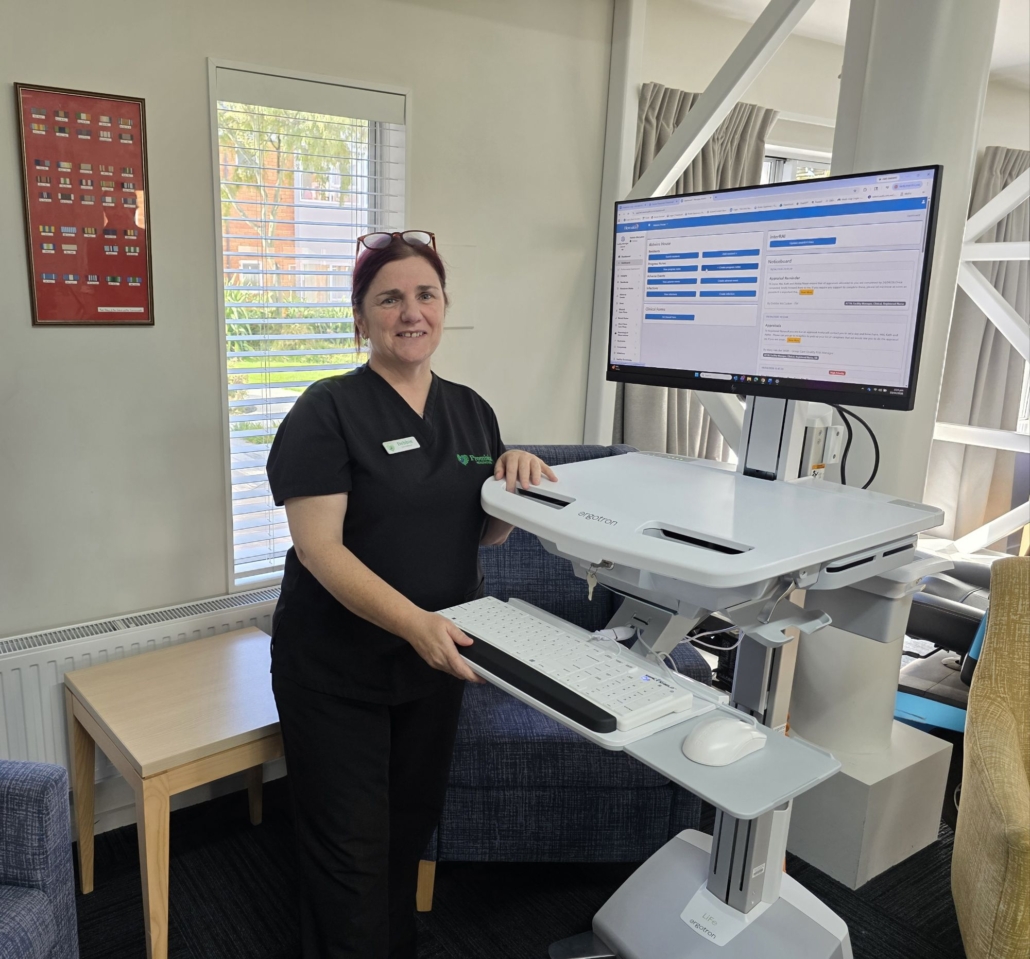
It was our pleasure to work with Robin Burgess, representing Ergotron NZ and Australia, to be able to make this deluxe trolley available as a hat draw prize.  Debbie the Facility Manager at Aldwins House in Christchurch said it’s put a smile on the face of their doctor as she is now able to use it for her rounds, updating notes in Hercules Health.

Debbie is also now able to view live status dashboards through Hercules Health on the move. Data visibility in live time  for all key aspects of the service, means she and her team are able to view these for alerts and care prompts whether in a meeting room, or in discussion with residents and their family members for care plan review meetings.

Thanks again to Ergotron for partnering with us to make this possible.

It’s very easy to stick with the tried and true, those things we’ve done for so long we’re comfortable with them so we keep on keeping on.

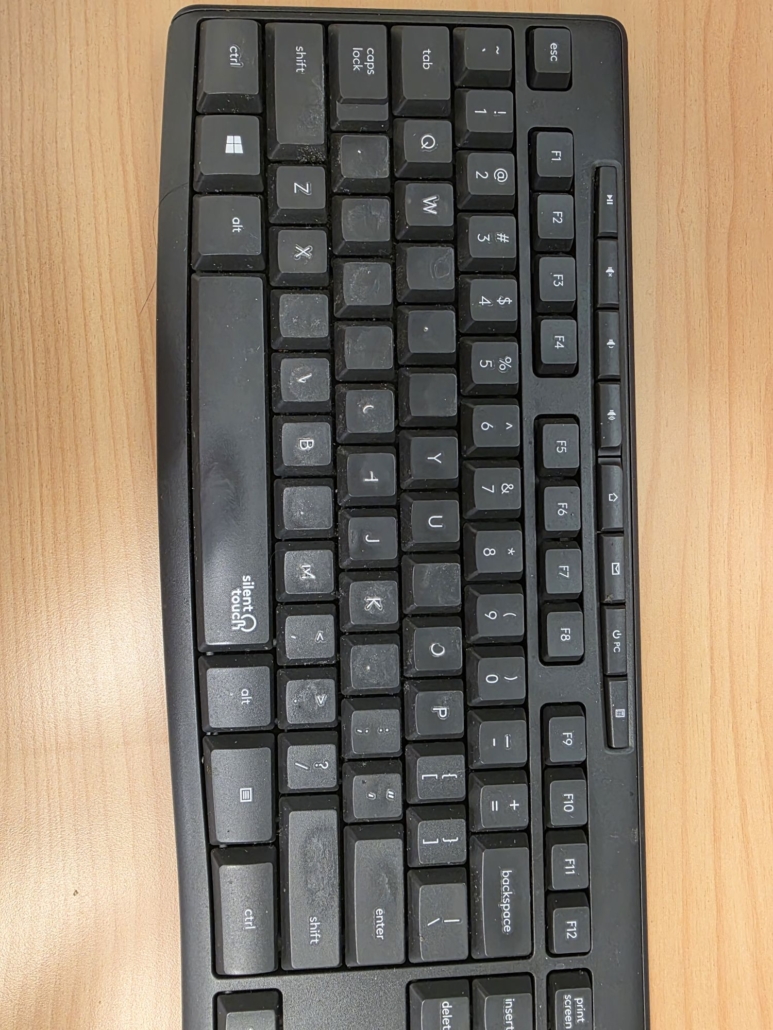
My keyboard with the letters worn off the keys is a good reminder that while I touch type and don’t need to see the letters, if someone else had to step into my role and office space, this might not help their productivity.

If we want everything to continue operating at optimal pace with no interruption to service, it’s always good to make sure our tools work for everyone. It’s also imperative there are succession plans so no function within the business is reliant on one person.

Keeping knowledge in your head doesn’t help others and is more likely to reflect a closed mindset rather than an open one.  The world of health tech is moving very quickly which doesn’t request, it requires people to collaborate and progress to continuously better ways of doing things with the latest tools available.

Testimonial

Why use Hercules Health for your policies and procedures?

Our previous owners bought templated policies in 2003 and when I joined as the RN, the printed policies were 10 years old, while the digital copies were more recent. Most of the time, it felt like we were running the facility on multiple versions of every policy.  And even when we overhauled the whole policy suite in 2017, managing them took a lot of time, money, and effort. We learned that the hard way when COVID policies kept on changing and coming from multiple agencies in 2020.

Since coming on board with Hercules Health, we were able to remove 1 FTE of RN hours because that’s how much time it took keeping up and writing policies ourselves.  Based on RN wages today, that’s savings of approximately $100K

We will forever sing praises of how Hercules continues to be a huge part of our success, both as an organisation and personally, for Elaine, Yana and me, as owners.

Running and owning an aged care facility (and even winning awards) have been far less stressful, thanks to having a one-stop-shop like Hercules Health.

Andrea De Leon

Co-owner

Queen Rose Retirement Home (Dunedin)