After 14 years working in digital health, and many years before that as a Registered Nurse, I was pleased to contribute to the DEWS team at the Health Quality and Safety Commission by helping develop the Options Paper for the digitisation of DEWS. This world leading research has led to world leading digital tools and real time reporting for early health care interventions and we are very pleased to be a key part of this journey.
Following the successful pilot of this evidence-based Deterioration Early Warning Sign (DEWS) tool, it became clear that a digital solution was needed to support the aged care sector’s transition from paper-based records to modern digital systems.
DEWS unlike other clinical assessment or deterioration identification tools, from our viewpoint has the Healthcare Assistant, lead the process by raising an observation of change in the resident. Aged Care Health Care Assistants who are highly trained, providing the hands-on care, and make up the majority of the workforce. The work under the supervision of Registered Nurses. The first stage of the DEWS reporting by Health Care Assistants, leads to a path of escalation which prompts the Registered Nurse to critically assess and determine the best interventions to guide optimizing health outcomes.
Hercules Health is proud to have supported 33 aged care providers during the first phase of the digitised DEWS implementation. Working closely with the research team who developed DEWS, opportunities to enhance the original tool were identified during phase one roll out. These improvements have now been implemented in Hercules Health Digital DEWS, and we are looking forward to supporting the next group of providers as Phase Two begins in October.
DEWS usage scores and outcome data is being reported automatically and securely to the Health Quality and Safety Commission on behalf of our clients. This saves them time and ensures data is available for review in Real-Time. We look forward to seeing further evidence of the positive impact and benefits that DEWS can deliver across the aged care sector as phase two roll-out is undertaken.
https://herculeshealth.co.nz/wp-content/uploads/2025/08/Hercules-Health-02.png00Gillian Robinson-Gibbhttps://herculeshealth.co.nz/wp-content/uploads/2025/08/Hercules-Health-02.pngGillian Robinson-Gibb2026-08-08 21:38:132026-08-08 21:38:48World Leading Digital DEWS tools in Hercules Health
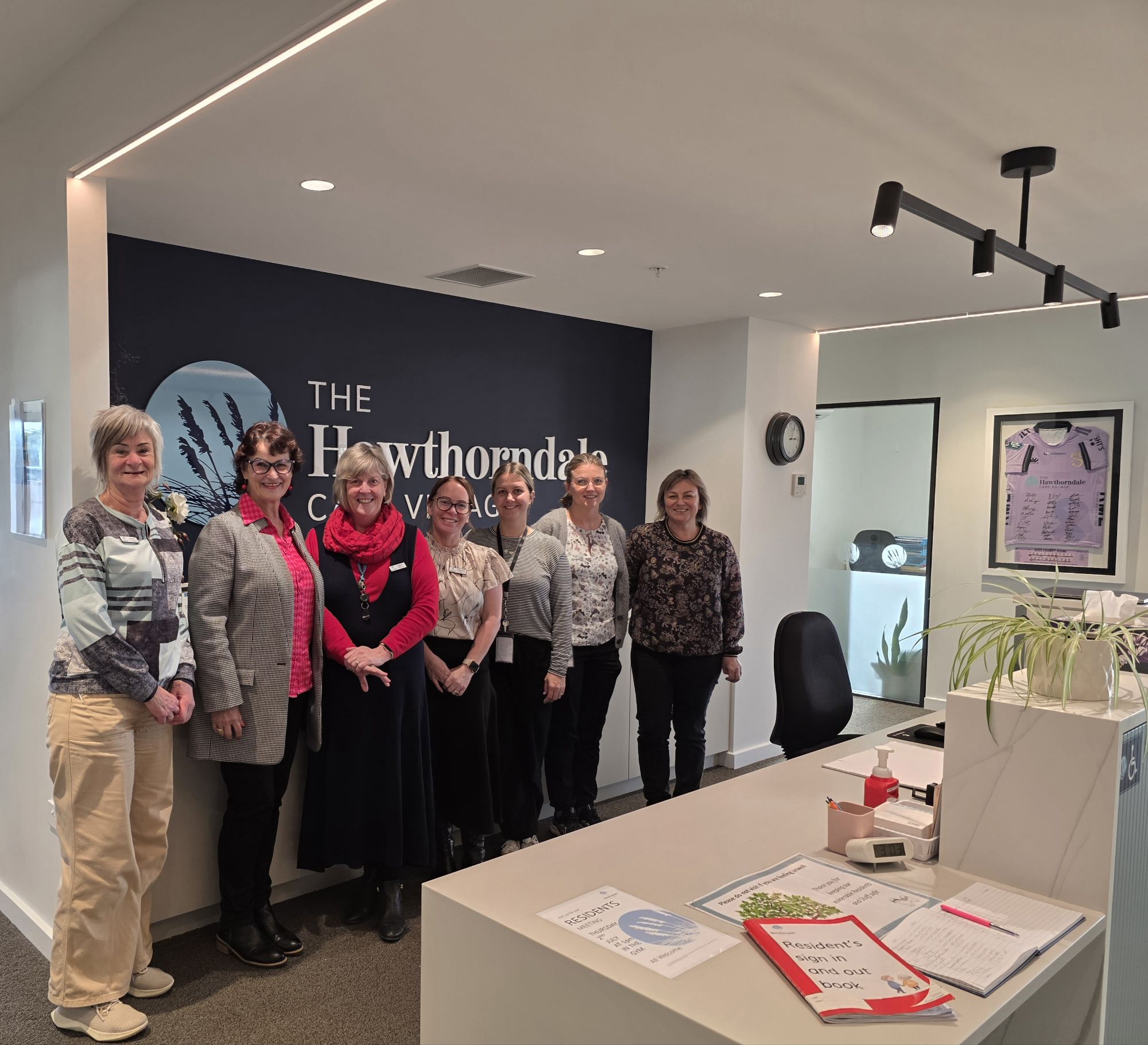
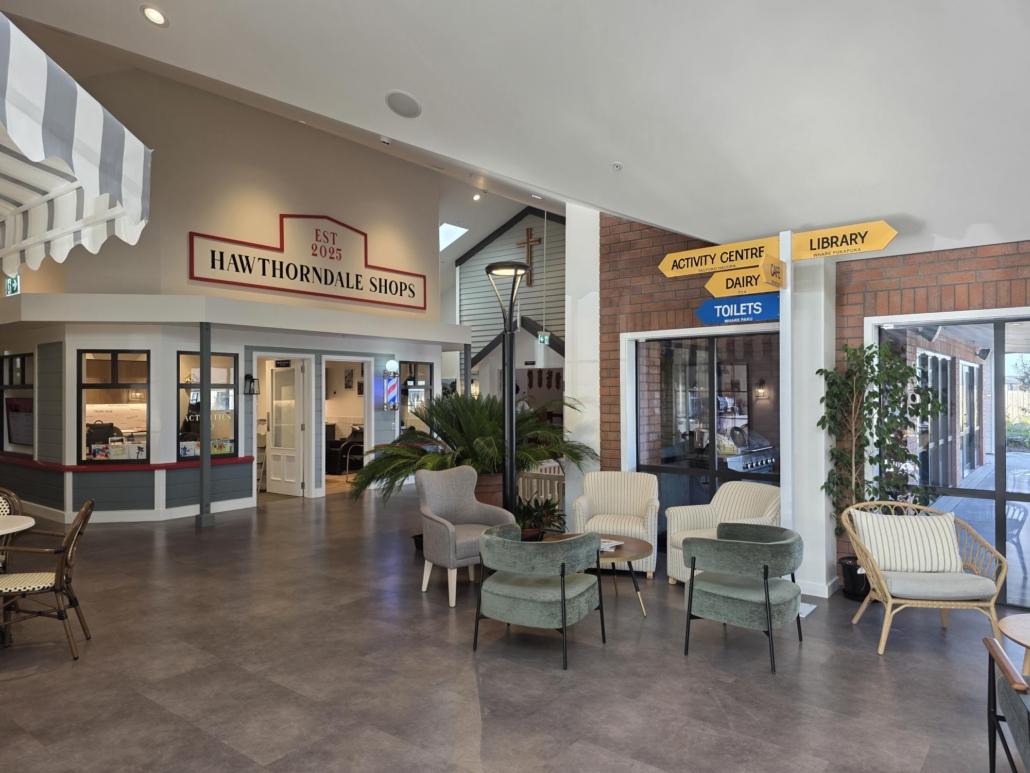
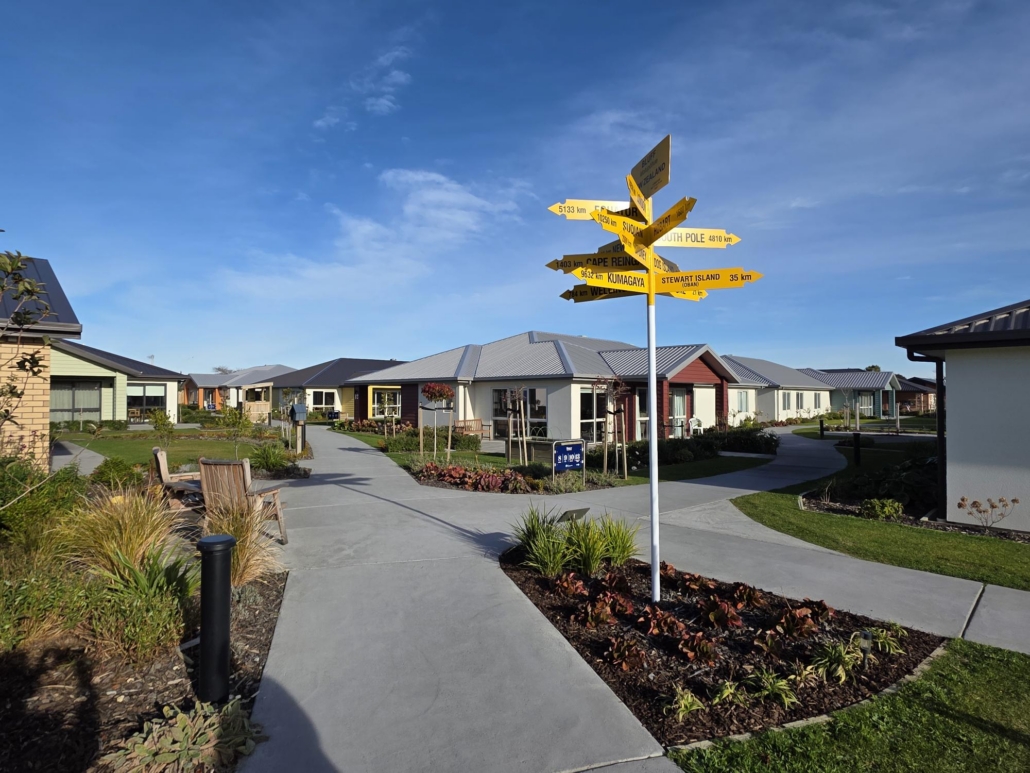
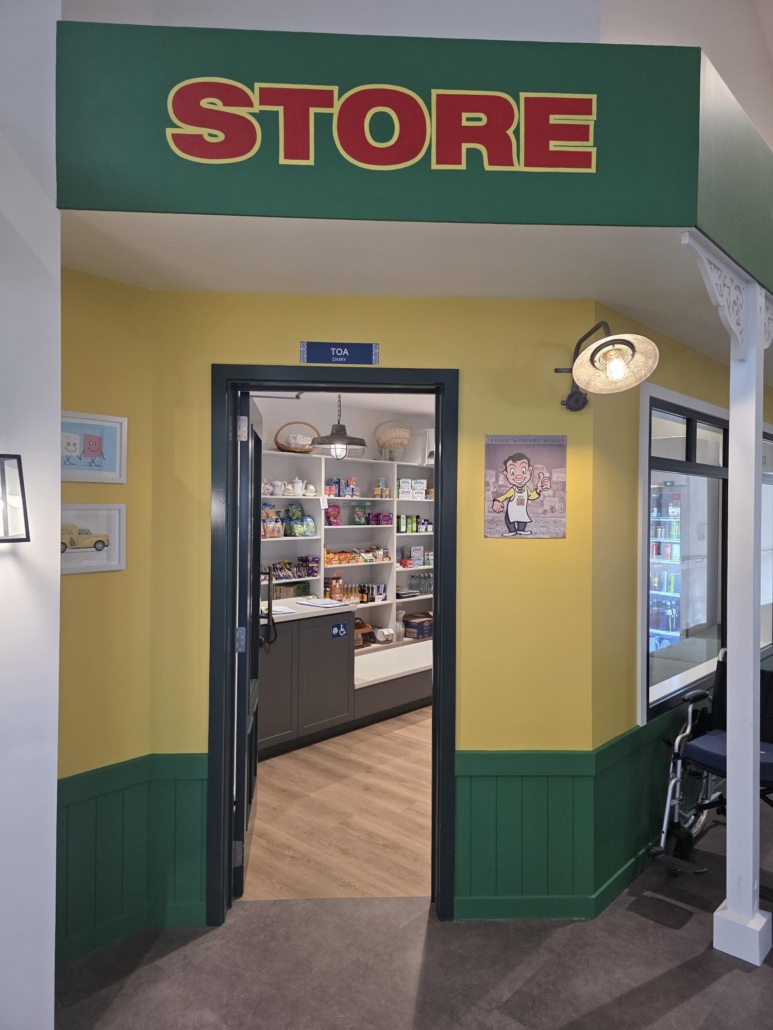
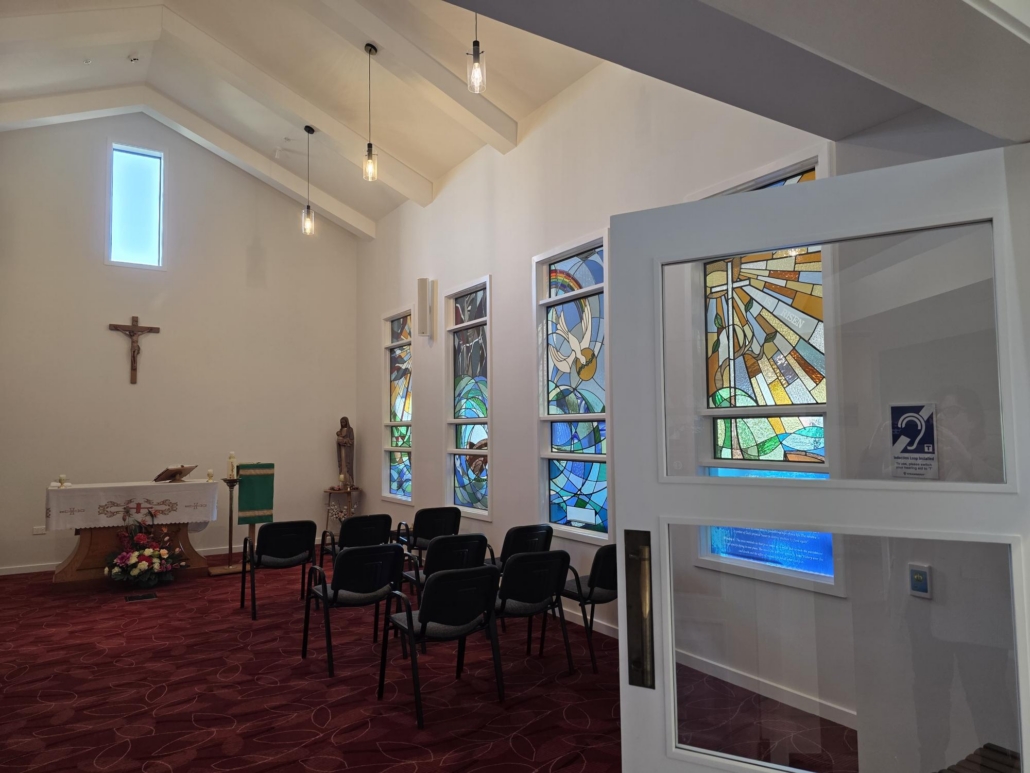
My recent visit to several Hercules Health clients in the lower South Island included a tour of The Hawthorndale Care Village. This site represents a shift from traditional aged care services that have not changed much in over 30 years. This new model focuses on person-centered, normalized living. By aligning with community norms, residents can thrive in an environment that feels familiar.
The Hawthorndale Care Village is a groundbreaking approach to dementia care in New Zealand and is the second facility using this model. The Rotorua Care Village was the first aged care service in New Zealand to adopt this concept, where residents live in smaller individual homes. This model provides freedom and choice for residents with dementia who previously required a ‘secure’ service, which often restricted their personal space.
Inspired by the innovative Dutch care village, De Hogeweyk, we aim to create dementia care that honours each person, supporting them with compassion, dignity and respect by recreating the familiarity and rhythm of everyday life within a safe and secure setting. This mixed model of care (different levels of care within one home) including those with advancing dementia, is an interesting concept for New Zealand aged residential care and I’m interested to see how well this works over time.
Inspired by the innovative Dutch care village, De Hogeweyk, we aim to create dementia care that honours each person, supporting them with compassion, dignity and respect by recreating the familiarity and rhythm of everyday life within a safe and secure setting. This mixed model of care (different levels of care within one home), including those with advancing dementia, is an interesting concept for New Zealand aged residential care and I’m interested to see how well this works over time.
The needs of aged care for tomorrow and the days after, will not be met by doing what was done yesterday and the days prior! I applaud the teams at The Care Village in Rotorua, and The Hawthorndale Care Village in Invercargill for having the vision and commitment to try something differently.
https://herculeshealth.co.nz/wp-content/uploads/2025/08/Hercules-Health-02.png00Hercules Healthhttps://herculeshealth.co.nz/wp-content/uploads/2025/08/Hercules-Health-02.pngHercules Health2026-07-21 00:24:182026-07-21 00:24:54Models of Aged Care Changing
Historically there were negative views of the Aged Residential care setting but these have changed, and aged care has changed! Aged Care is Health Care!
Nursing is Aged Care is complex and the ongoing relationship with those needing clinical support is rewarding. This is especially true when compared with the episodic brief interactions that occurs in acute services.
Working in aged residential care in New Zealand offers registered nurses a rewarding career pathway and meaningful career choice. This environment provides the opportunity to make a real difference in the lives of older adults, delivering compassionate, person-centered care that enhances quality of life. For nurses, it’s a chance to develop high level clinical skills, build strong trusting relationships with residents, fostering a sense of community and belonging.
Aged care settings also offer diverse clinical experiences, from managing multiple co-morbidities. This includes the clinical oversight and management of chronic conditions through to supporting palliative care, and ensuring nurses develop their skills while leading care teams. The sector relies on teamwork and collaboration, creating a positive work atmosphere where nurses feel valued and empowered. Additionally, New Zealand’s aged care sector is committed to ongoing professional development, ensuring nurses stay current with best practices while using leading industry technology.
Work-life balance can be better in aged care compared to high-pressure hospital settings, with more predictable hours and a focus on holistic well-being. The sector also offers opportunities for leadership and specialization, making it an attractive career path. Overall, working in aged residential care combines professional growth with the fulfilment of caring for some of society’s most vulnerable members. This makes it an appealing environment for registered nurses seeking purpose, work satisfaction through ongoing therapeutic relationships and stability.
https://herculeshealth.co.nz/wp-content/uploads/2025/08/Hercules-Health-02.png00Hercules Healthhttps://herculeshealth.co.nz/wp-content/uploads/2025/08/Hercules-Health-02.pngHercules Health2026-05-17 23:26:492026-05-17 23:31:52The Advantages of Nursing in Aged Care
Why use Hercules Health for your policies and procedures?
Our previous owners bought templated policies in 2003 and when I joined as the RN, the printed policies were 10 years old, while the digital copies were more recent. Most of the time, it felt like we were running the facility on multiple versions of every policy. And even when we overhauled the whole policy suite in 2017, managing them took a lot of time, money, and effort. We learned that the hard way when COVID policies kept on changing and coming from multiple agencies in 2020.
Since coming on board with Hercules Health, we were able to remove 1 FTE of RN hours because that’s how much time it took keeping up and writing policies ourselves. Based on RN wages today, that’s savings of approximately $100K
We will forever sing praises of how Hercules continues to be a huge part of our success, both as an organisation and personally, for Elaine, Yana and me, as owners.
Running and owning an aged care facility (and even winning awards) have been far less stressful, thanks to having a one-stop-shop like Hercules Health.
https://herculeshealth.co.nz/wp-content/uploads/2025/08/Hercules-Health-02.png00Hercules Healthhttps://herculeshealth.co.nz/wp-content/uploads/2025/08/Hercules-Health-02.pngHercules Health2025-08-26 23:31:032025-08-26 23:31:13Why use Hercules Health for your policies and procedures?
HCSL has been a game-changer for our organization!
Having a unified system that streamlines employment processes, enhances clinical documentation, and improves governance oversight has made a huge difference in efficiency and care quality. The fact that it has led to better audit results and freed up more time for resident care is the biggest gain for me.
I have experienced other systems over the years, HCSL is the simplest, easiest and most user friendly one yet.
https://herculeshealth.co.nz/wp-content/uploads/2022/05/Clinical-Documentation-in-Aged-Residential-Care.webp300300Hercules Healthhttps://herculeshealth.co.nz/wp-content/uploads/2025/08/Hercules-Health-02.pngHercules Health2022-05-13 12:46:452024-09-23 10:30:51Clinical Documentation in Aged Residential Care
Jessie Snowdon, New Zealand Registered Physiotherapist, Director On the Go Physio Limited, March 2022
Two years into New Zealand’s journey with COVID and these days can seem harder than ever. We have endured lock downs and now we are in this strange no-man’s land where it feels for many older adults, that in order to stay safe we must stay home.
Strength is IMPORTANT!
If you are not getting your usual physical activity, or if you have never been that keen on exercise (!) then you should try and build in some structured exercise every day. Exercise can come in many ways – gardening, bowls, walking – and although these are all excellent ways to get in your recommended 150 minutes a week, the real hero of the story is building strength.
As we age we naturally lose muscle strength, and our muscle fibres change – but age is NOT a barrier to improving strength and muscle mass. We know that there is a direct link between strengthening exercises and decreased risk of falls, and we all want that!
How can I strengthen my muscles?
In order to make change you must put your muscles under a certain load…and this means it must be hard! The great news is that you don’t need to spend much time, if you hit the right level of ‘hardness’. You can work through a strength programme in 10 minutes!
We recommend that you start with 10 repetitions of each exercise for a few days, and then find the level at which doing 6-8 of the exercise feels “hard”. “Hard” means that you don’t feel you could do any more without a rest.
When you have established that level you should work through your whole programme then take a 2 minute rest. Then, guess what? Do it all again!
Which muscles should I strengthen?
You should strength the muscles you need for function. This means the ones you need for every day activities like standing up from a chair, walking fast, picking up objects and helping with balance.
The programme below covers off all of these.
Is there anything I should be careful of?
With all exercise you should be aware of and stop if you experience pain in your muscles or joints, chest pain, severe shortness of breath or severe dizziness. Remember though that when you work your muscles hard you can expect to have slight soreness the next day or so, especially when you have just started.
Ok I’m ready! Show me the exercises!
As you are all individuals it is hard to prescribe one set of exercises for everyone. You will need to apply some common sense and ensure you feel safe during each exercise. If you are unsteady, or usually use a walking stick or frame, then ensure you are holding on to the bench or table – or have your frame in front.
Ready….let’s go!
Exercise one – Standing up and sitting down This works the muscles you need to get from a chair but also to bend down, walk, climb stairs – it is an excellent all-round functional exercise.
❖ Start in a firm chair that you know you can stand up from. ❖ Using both hands lean forward and then stand up. ❖ Repeat this 6-8 times.
Easy? Make it harder by…
Speeding up.
Just use one hand.
Use no hands (cross arms across chest).
Sitting on a lower seat.
Holding something heavy in your arms such as bottled water, or some weights.
Exercise two – rising up onto tiptoes As long as you aren’t hanging on for dear life this is an excellent whole leg work out.
You need strong calf muscles to walk and for balance.
❖ Hold onto a steady surface such as a kitchen bench or back of a chair. ❖ Rise up onto your tip toes, as high as you can. ❖ Try to go straight up, not forward. ❖ Repeat 6-8 times.
Easy? Make it harder by…
Decreasing your hand grip so you just use index fingers.
Putting a back pack on with weights such as bottled water in it.
Lift one leg off the ground and take all the weight on one side!
Exercise three – standing on one leg This works the muscles around your hips and is excellent for stability and balance.
❖ Hold onto a steady surface. ❖ Make your left leg strong and gently lift your right. ❖ Focus hard to ensure your hips stay level – your trunk and shoulders shouldn’t move! ❖ Hold for 5 seconds then swap sides. ❖ Repeat 6-8 times on each side
Easy? Make it harder by
Standing for 10 seconds
Decreasing how much you use your hands, change to just index fingers, or no hands!
Exercise four – push ups!
Strong arms are essential for helping you pick up and carry objects, and to push yourself up from a chair, bed or the floor. We often neglect our arms so make sure to include this one!
❖ Stand with your hands against the wall, have a chair next to you if needed. ❖ With fingers spread and arms close to your body allow your elbows to bend so you come closer to the wall. ❖ Breath out and push away back into standing. ❖ Repeat 6-8 times.
Easy? Make it harder by…
Using the bench to lean on instead of the wall.
Increase your speed.
This is an excellent starting point with four functional exercises. If you repeat all these then you should have a good 10-minute daily walk out. If you would like so extra balance exercises then read on!
EXTRA BALANCE EXERCISES
Balance exercises are harder to prescribe as everyone is at very different levels and you need to keep safe! Here are some options for balance work but ensure you are by a sturdy surface and work within your abilities.
Exercise one: Standing still balance ❖ Stand with your feet together, without holding on, for 10 seconds
Easy? Make it harder by…
Turning your head slowly side to side.
Closing your eyes (with care).
Changing your foot position into “step”. Exercise two: walking backwards ❖ Carefully walk backwards alongside your bench. If you normally use a frame or walking stick then ensure you use if for this exercise. ❖ Focus on long, slow steps.
Exercise three: walking in a figure 8
❖ In an open space you can put down two objects (salt and pepper shakers, two water bottles) about 1 metre apart. ❖ Weave around these in a figure 8. ❖ Use your walking frame or stick if this is normal for you.
Easy? Make it harder by…
Moving the objects closer.
Going faster! Congratulations!
You are now carrying out a great exercise plan. If you are able to you should include regular walking at a good pace out in the community. You should also ensure that once you have done your daily exercises you don’t sit down the rest of day. Every 30 minutes you should be up on your feet, even if just for a minute or two. If you would like more advice or and individualised treatment plan then we offer clinic, home and online appointments and would love to help you regain and maintain your strength.
Original Article By: Jessie Snowdon, New Zealand Registered Physiotherapist, Director On the Go Physio Limited, March 2022



 ners bought templated policies in 2003 and when I joined as the RN, the printed policies were 10 years old, while the digital copies were more recent. Most of the time, it felt like we were running the facility on multiple versions of every policy. And even when we overhauled the whole policy suite in 2017, managing them took a lot of time, money, and effort. We learned that the hard way when COVID policies kept on changing and coming from multiple agencies in 2020.


