Posts

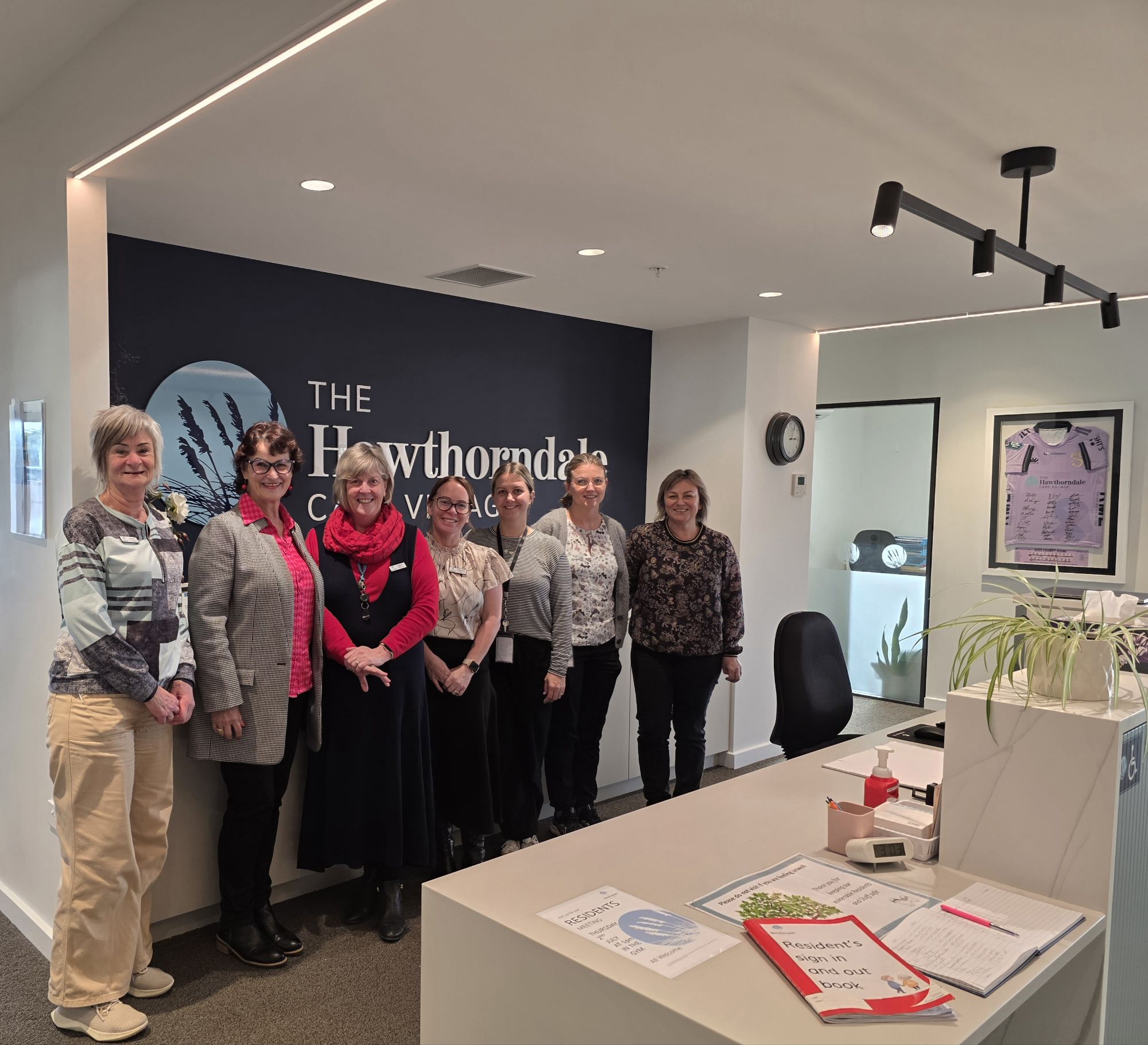
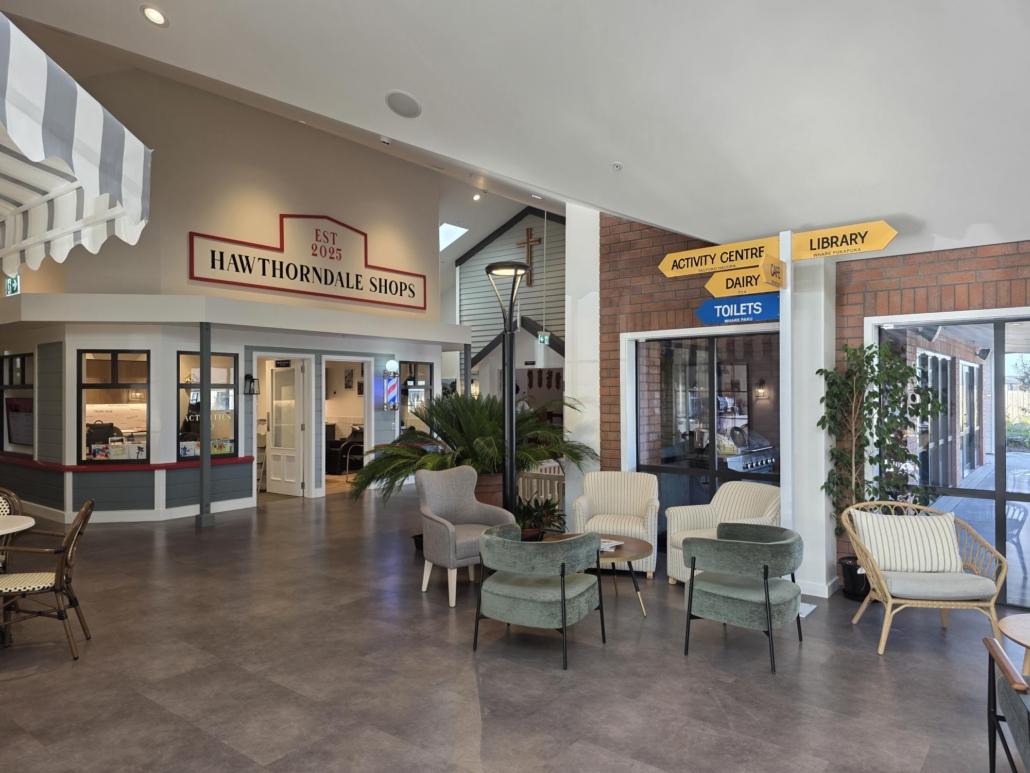
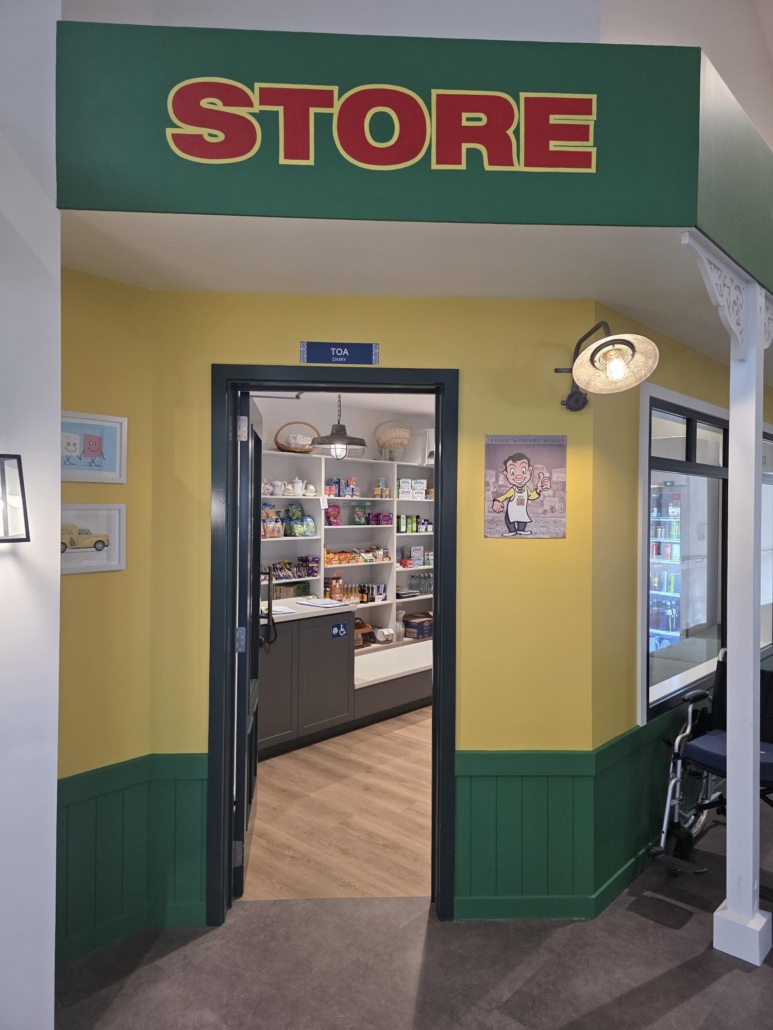
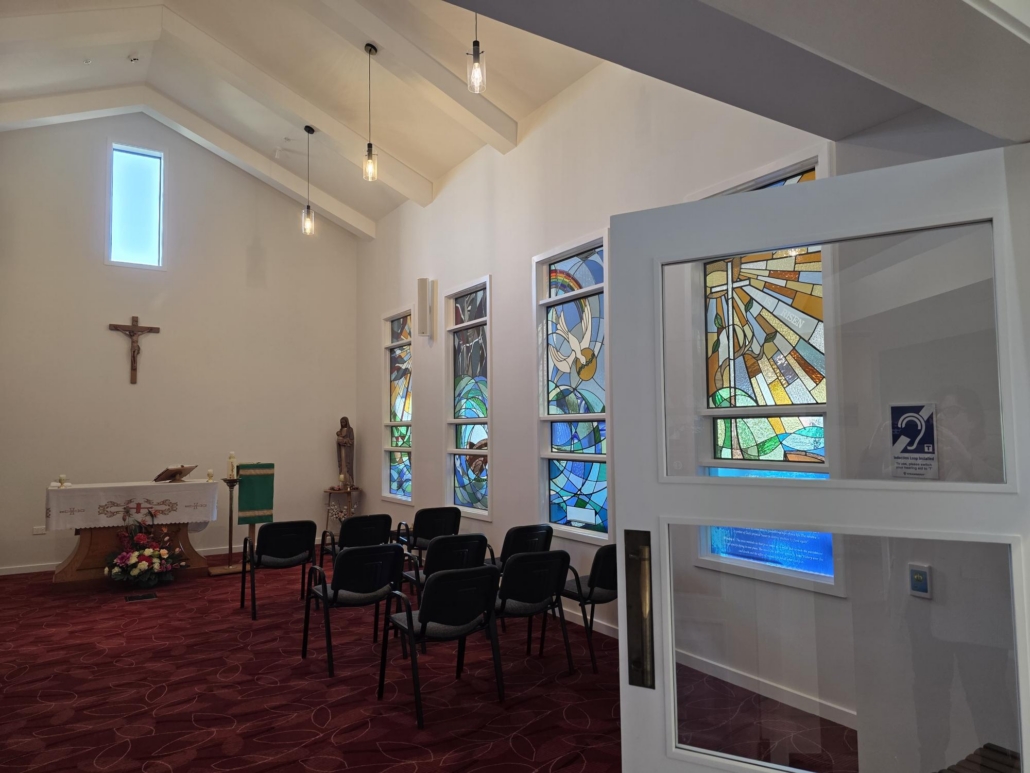
My recent visit to several Hercules Health clients in the lower South Island included a tour of The Hawthorndale Care Village. This site represents a shift from traditional aged care services that have not changed much in over 30 years. This new model focuses on person-centered, normalized living. By aligning with community norms, residents can thrive in an environment that feels familiar.

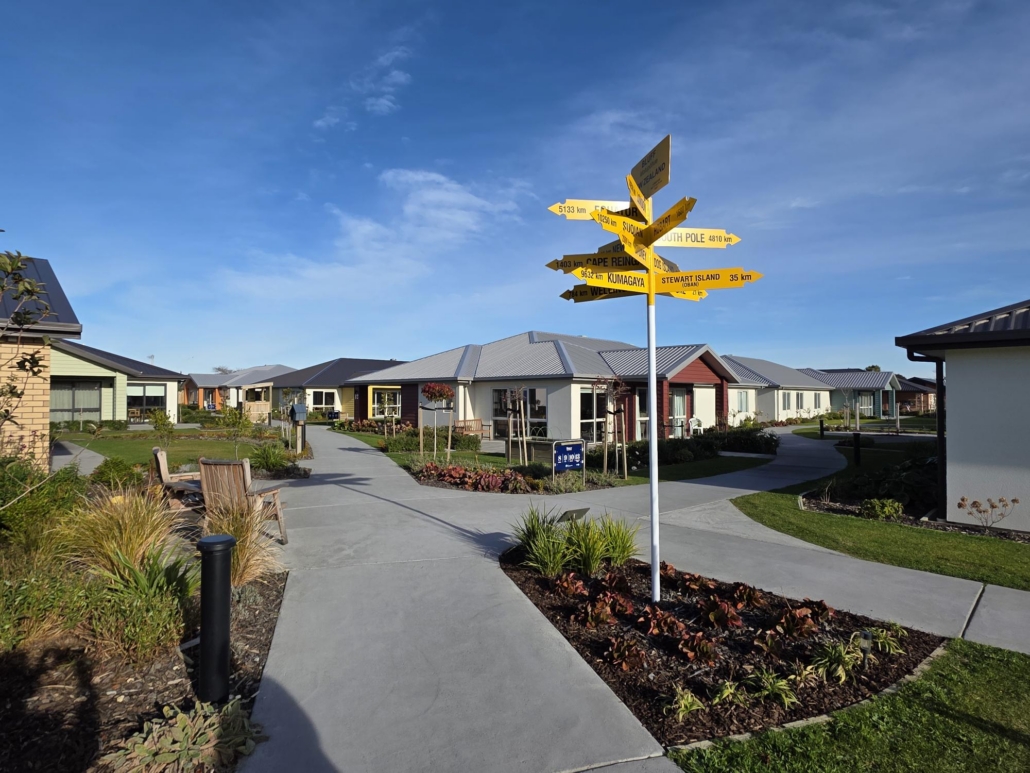
The Hawthorndale Care Village is a groundbreaking approach to dementia care in New Zealand and is the second facility using this model. The Rotorua Care Village was the first aged care service in New Zealand to adopt this concept, where residents live in smaller individual homes. This model provides freedom and choice for residents with dementia who previously required a ‘secure’ service, which often restricted their personal space.

Inspired by the innovative Dutch care village, De Hogeweyk, we aim to create dementia care that honours each person, supporting them with compassion, dignity and respect by recreating the familiarity and rhythm of everyday life within a safe and secure setting. This mixed model of care (different levels of care within one home) including those with advancing dementia, is an interesting concept for New Zealand aged residential care and I’m interested to see how well this works over time.

Inspired by the innovative Dutch care village, De Hogeweyk, we aim to create dementia care that honours each person, supporting them with compassion, dignity and respect by recreating the familiarity and rhythm of everyday life within a safe and secure setting. This mixed model of care (different levels of care within one home), including those with advancing dementia, is an interesting concept for New Zealand aged residential care and I’m interested to see how well this works over time.

The needs of aged care for tomorrow and the days after, will not be met by doing what was done yesterday and the days prior! I applaud the teams at The Care Village in Rotorua, and The Hawthorndale Care Village in Invercargill for having the vision and commitment to try something differently.

Nurse reviewing policies on a tablet

Historically there were negative views of the Aged Residential care setting but these have changed, and aged care has changed! Aged Care is Health Care!

Nursing is Aged Care is complex and the ongoing relationship with those needing clinical support is rewarding. This is especially true when compared with the episodic brief interactions that occurs in acute services.

Working in aged residential care in New Zealand offers registered nurses a rewarding career pathway and meaningful career choice. This environment provides the opportunity to make a real difference in the lives of older adults, delivering compassionate, person-centered care that enhances quality of life. For nurses, it’s a chance to develop high level clinical skills, build strong trusting relationships with residents, fostering a sense of community and belonging.

Aged care settings also offer diverse clinical experiences, from managing multiple co-morbidities. This includes the clinical oversight and management of chronic conditions through to supporting palliative care, and ensuring nurses develop their skills while leading care teams. The sector relies on teamwork and collaboration, creating a positive work atmosphere where nurses feel valued and empowered. Additionally, New Zealand’s aged care sector is committed to ongoing professional development, ensuring nurses stay current with best practices while using leading industry technology.

Work-life balance can be better in aged care compared to high-pressure hospital settings, with more predictable hours and a focus on holistic well-being. The sector also offers opportunities for leadership and specialization, making it an attractive career path. Overall, working in aged residential care combines professional growth with the fulfilment of caring for some of society’s most vulnerable members. This makes it an appealing environment for registered nurses seeking purpose, work satisfaction through ongoing therapeutic relationships and stability.

Testimonial

Why use Hercules Health for your policies and procedures?

Our previous owners bought templated policies in 2003 and when I joined as the RN, the printed policies were 10 years old, while the digital copies were more recent. Most of the time, it felt like we were running the facility on multiple versions of every policy.  And even when we overhauled the whole policy suite in 2017, managing them took a lot of time, money, and effort. We learned that the hard way when COVID policies kept on changing and coming from multiple agencies in 2020.

Since coming on board with Hercules Health, we were able to remove 1 FTE of RN hours because that’s how much time it took keeping up and writing policies ourselves.  Based on RN wages today, that’s savings of approximately $100K

We will forever sing praises of how Hercules continues to be a huge part of our success, both as an organisation and personally, for Elaine, Yana and me, as owners.

Running and owning an aged care facility (and even winning awards) have been far less stressful, thanks to having a one-stop-shop like Hercules Health.

Andrea De Leon

Co-owner

Queen Rose Retirement Home (Dunedin)

HCSL has been a game-changer for our  organization!

Having a unified system that streamlines employment processes, enhances clinical documentation, and improves governance oversight has made  a huge difference in efficiency and care quality. The fact that it has led to better audit results and freed up more time for resident care is the biggest gain for me.

I have experienced other systems over the years, HCSL is the simplest, easiest and most user friendly one yet.

Keep up the great work team.

Kind Regards,

Sheryl Lilly, General Manager

Scovan Healthcare Ltd.

HCSL Oct 21 Newsletter
CLICK TO VIEW THE FULL NEWSLETTER
Alexander Rest Home

“HCSL has been incredibly easy to navigate since we went live on the system on the 1st of October. Our team have people with varying levels of technology literacy and the ease of this system has meant that staff are more confident to use technology and see how it can help to improve time management by not having to double or triple up on written documentation.”

Manager

Alexander House Rest Home

Boards of any organisation should be well placed to provide strong and transparent governance. This means the members of the board all need to understand the organisation structure, strategy, finances, client base, market changes and employees for the context in which they are operating.  This includes knowledge of behaviours, culture and ethics. The behaviours of all organisational board members gets reflected in employees to set the culture within the workplace which is experienced by the clients and those advocating for them, their family/whanau and friends.

The skill of judgement is necessary for board members to base decision-making on a set of agreed standards or a clearly defined constitution, organisation vision/mission or philosophy.   To have a progressive Board, there is the need to recruit board members with greater skills than already exist within the board. This ensures progressive diversity of thinking and culture based on more than gender and ethnicity.  A greater diversity is needed to also include creativity, innovation, current commercial practice knowledge, information givers and information seekers to increase depth of conversation and concepts being explored.  The Board member profile could do well to include these attributes, abilities and skills. Collectively they need to advance the organisation purpose, vision/mission or philosophy in a way that meets client current and future needs.

Boards are not the place for the faint-hearted or those at the end of career who simply ‘want to give back’ who may base todays decisions on yesterday outdated models.  Diversity will become a more visible part of boards with the introduction of the new Health and Disability Service Standards later this year.  While they are currently in draft, it seems clear the final version will require more diversity within boards. This will include increased desire for Maori representation and inclusion on Boards.  As American diversity advocate and activist Verna Meyers says, “Diversity is being invited to the party, inclusion is being asked to dance”.

If Maori representation isn’t part of your board make-up, it may be advantageous to look at forming relationships with local Iwi who fit the attributes needed to fit your board member profile. All Board members will need to be available, ethics driven, commercially aware and able to contribute.  The Board Chair will need to show these same attributes and also provide consistent innovative, clearly communicated strategic leadership.  The Board as a whole will also need to be agile in their response to unplanned events.  2020 and the emergence of COVID-19 reminded us of this.  It appears 2021 and into the foreseeable future will also present the need for agile thinking and innovation. I suggest now is the right time to review how your board is made up and how effectively they perform.  How can this be improved in your organisation?  

Nurse consultant Healthcare Compliance Solutions Ltd

As a RN, Facility Manager and Consultant in Aged Care I have used various Aged Care software packages over the years.

Feedback I have received from RNs and caregivers using HCSL system includes the following:

  • Takes less time to find information about residents
  • More resident focused and less task focused than using tick box task lists.
  • Able to edit information quickly.
  • Easy to upload and save information in the documents folder.
  • Easier to do monthly quality analysis as the information is quicker to find.

I am very impressed with HCSL software as I have found it delivers in the following ways and is:

  • Intuitive  and timesaving – the software prompts the operator – for example to create a short term care plan if documenting an  adverse event  such as wound care. The one click action means less time taken trying to open a new screen or change functions such as finding care plans or progress notes.
  • Quality Assurance is able to be maintained in a timely and comprehensive manner with an internal audit system and corrective action logs in addition to monthly analysis of adverse events and infections.
  • NZ ARC compliance requirements are continuously updated – in care

planning, and resident information requirements documentation and procedures and policies in the individualised  Facility  Documentation library.

  • Very responsive service- the  HCSL team quickly respond to questions and  seek and use client feedback to continuously develop and extend the software capabilities. HCSL is   New Zealand based so information is relevant to nursing and care giving in New Zealand.
  • Developed and managed by a very experienced NZ Nursing leader in aged care who has comprehensive knowledge of and experience in quality and compliance systems in NZ aged care.

Anne Sheard, RN.